Why Positive Reinforcement Training Creates Happier Dogs

Most dog training still leans on outdated methods that leave pups stressed and confused. You want your furry friend to feel confident and enjoy learning, not dread it. Positive reinforcement dog training offers a kinder path that builds trust and happiness, making every session something your dog looks forward to. Let’s explore why this force-free approach works so well for pets in Swansea and Morriston—and how it can strengthen your bond with your dog. For more insights, check out this article.
Building Confidence with Rewards
Helping your dog feel good about what they achieve is key to building their confidence. By using rewards, you create a positive association with learning. This method not only boosts their self-esteem but also sets the stage for enjoyable training sessions.
Boosting Your Dog’s Self-Esteem
You might notice your dog holding their head a little higher after a successful training session. That's self-esteem in action. When you use reward-based training, your dog learns that good behaviour leads to treats and praise. This positive feedback loop encourages them to try new things and master commands with enthusiasm. Imagine your pup wagging their tail, eager to sit or stay because they know something good is coming.
But it’s not just about treats. Your attention and affection are powerful motivators too. A simple pat on the head or an excited “good dog!” can light up their world. These moments build trust and a bond between you two. Most people think dogs do not need praise, but they thrive on it just like us. To see this in action, check out this blog post.
Creating a Safe Learning Environment
Creating a space where your dog feels safe is crucial. Start by choosing an area free from distractions and loud noises. This helps your dog focus and feel secure. Training in a familiar environment can make all the difference: it’s their comfort zone.
Consistency is another vital part. Regular training sessions help reinforce what your dog has learned. This consistency builds a routine, so your dog knows what to expect and feels more relaxed. A safe space is not just physical; it’s emotional too. When your dog feels loved and supported, they’re more willing to engage and learn.
Reducing Stress Through Kind Training
Shifting away from harsh techniques, kind training methods focus on reducing stress for both you and your dog. This friendly approach ensures that learning is a calm and rewarding experience.
Gentle Techniques for Calm Canines
Stress-free training starts with gentle techniques. Instead of harsh commands, use calm and encouraging words. Your tone can be soothing and supportive, making your dog feel at ease. Force-free dog training is not just about avoiding punishment; it’s about fostering a positive environment where your dog can thrive.
Try to notice the signs your dog gives when they're uncomfortable, like turning away or yawning. These signals indicate stress. If you see them, take a step back, and give your dog a break. This response shows your dog that their feelings matter, helping them relax. Most people think dogs should obey without question, but recognising their emotions builds a stronger relationship.
The Science Behind Stress-Free Sessions
Science tells us that stress affects learning. When dogs are stressed, their bodies release hormones that make it hard to concentrate. By keeping sessions short and fun, you help your dog learn without pressure. Research shows that dogs trained with positive reinforcement show less anxiety and more engagement.
Understanding your dog’s limits is essential. Sessions should be a mix of training and play, allowing your dog to unwind. This balance keeps them interested and happy. For an in-depth look at why this method works, check out this insightful piece.
Strengthening Bonds with Your Dog
Building a close bond with your dog is rewarding for both of you. Training isn’t just about commands; it’s about connecting and having fun together. This connection turns everyday activities into opportunities for growth and joy.
Connecting Through Reward-Based Play
Playtime is a fantastic chance to strengthen your bond. Reward-based play involves using your dog’s favourite toys and games to teach new skills. For instance, a game of fetch can become a lesson in recall, with a treat waiting when they bring the ball back. This makes learning fun and engaging.
Encouraging your dog to play with you builds trust and understanding. You’ll notice them looking to you for cues, eager to please. When play becomes a shared activity, it reinforces the partnership you’re building. Most people think training is all about discipline, but incorporating play changes the game.
The Joy of Scent Work Classes in Swansea 🐾
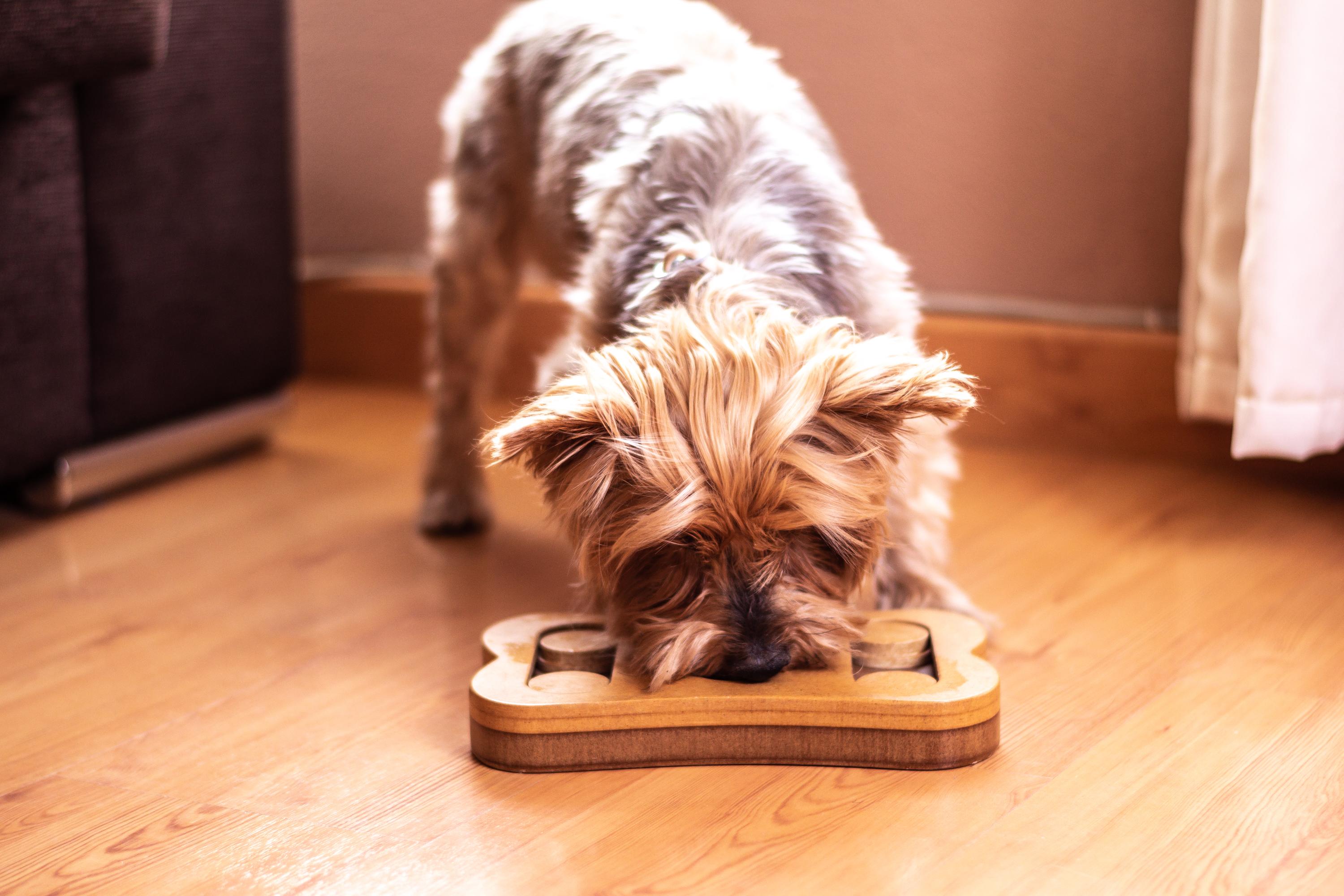
Scent work is a brilliant way to engage your dog’s natural instincts. In Swansea, these classes offer dogs a chance to sniff out scents, turning their keen sense of smell into a rewarding game. It's not just fun: it’s a fulfilling challenge that keeps their minds sharp.
Participating in scent work classes Swansea brings enrichment and excitement to your dog's routine. They learn to focus and follow their nose to success. These classes are also a social opportunity, letting your dog meet new friends while boosting their confidence. Explore how scent work can transform your training sessions with this detailed guide.
By embracing positive reinforcement and kind training methods, you’re not just teaching behaviours: you’re nurturing a happy, confident pup who loves to learn with you. And isn’t that what we all want for our furry friends?
Comments