More Than Walkies: How to Tell If Your Dog Needs Extra Mental Stimulation

Your dog might be wagging their tail, but are they truly happy? Sometimes, even the most active pups need more than just a stroll around the block. Spotting the signs of dog boredom can help you add the right mental stimulation for dogs, keeping their minds sharp and tails wagging. Let’s chat about how to tell if your dog needs more brain games, and why scent work classes in Swansea could be just the ticket. Learn more about keeping your dog mentally stimulated here.
Spotting Signs of Boredom
Let's start by recognising how boredom might be affecting your furry friend. Dogs, much like us, thrive on both physical and mental engagement. Miss the mark on either, and your pooch might start showing signs of restlessness or unwanted behaviour.
Common Signs of Dog Boredom
Is your dog acting out more than usual? Chewing up shoes or barking at shadows could hint at boredom. When dogs lack mental stimulation, they create their own fun, often at our expense. Think about when you've seen your dog dig holes in the garden or jump on furniture they know is off-limits. These activities might be their way of coping with a lack of excitement. Explore more about signs of boredom in dogs here.
Sometimes, it’s not about mischief. Your dog might seem lethargic or more demanding of your time. This behaviour can also suggest they're not getting enough mental play. A tired dog might seem like a happy one, but if they're sleeping more than usual, it could be a sign of disengagement. Remember, a content dog is active in mind as well as body.
Behavioural Changes to Watch For
Notice any new quirks in your dog's behaviour? Changes like pacing or whining could indicate they need more mental challenges. Dogs are creatures of habit; sudden shifts in behaviour often mean something is amiss. If your dog is suddenly uninterested in toys or starts ignoring their favourite treats, it might point to boredom.
Another key sign is when your dog becomes overly clingy or, conversely, starts isolating themselves. These shifts might not just be about mood but about needing more engagement. By observing these cues, you can better understand your dog’s mental needs and provide the right stimuli to keep them happy.
Simple Enrichment Ideas
Feeling like your dog needs a bit more excitement? Let's look at some easy ways to add enrichment to their day. Sometimes, small changes can make a big difference in their mood and behaviour.
Brain Games for Dogs
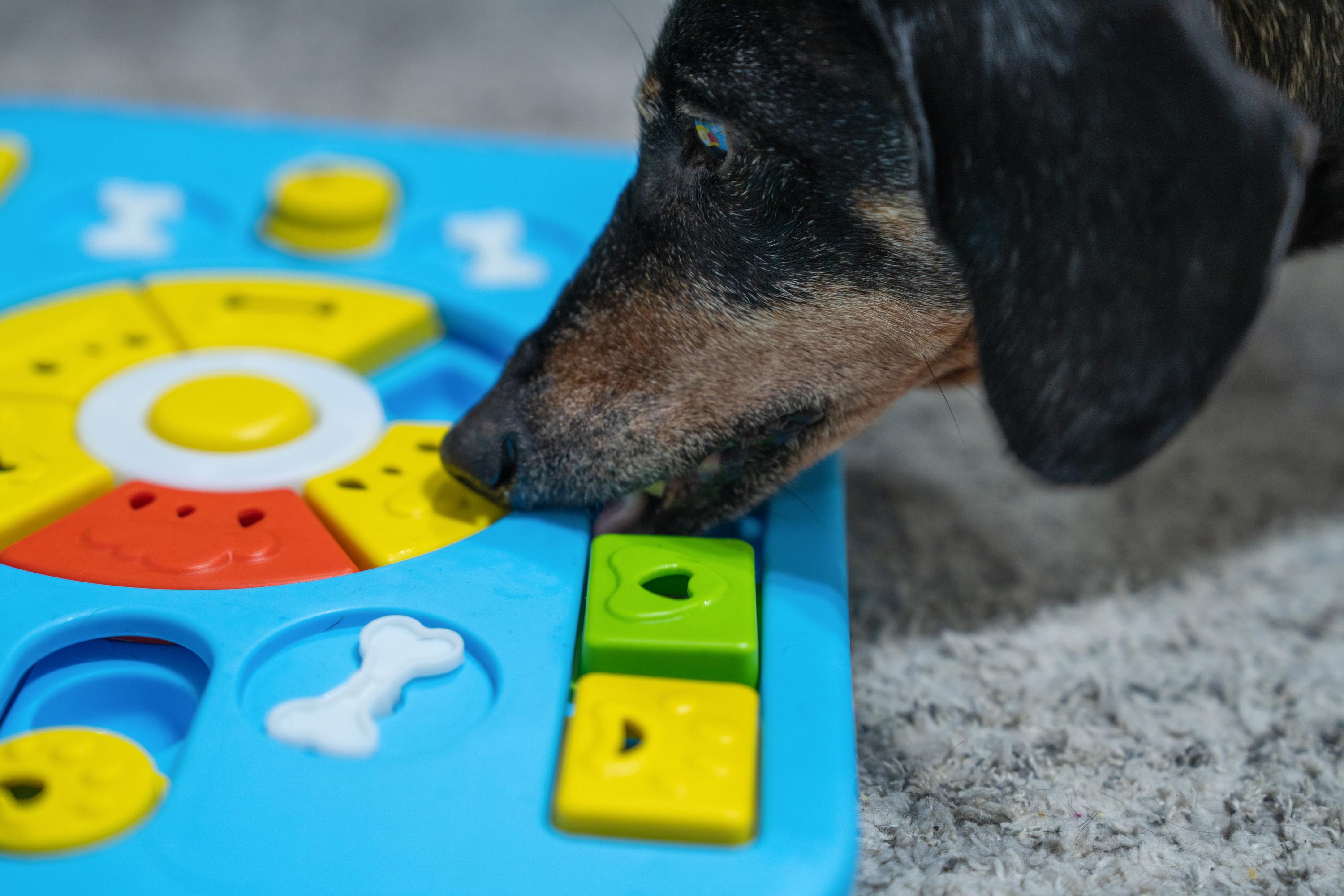
Engaging your dog's mind can be as simple as introducing new games. Puzzle toys are great: they challenge your dog to solve problems, keeping their mind sharp. Hide and seek is another favourite. You can hide treats around the house and encourage your pup to sniff them out. This not only entertains them but also taps into their natural instincts.
Training sessions can also double as brain games. Teaching your dog new tricks or commands provides mental stimulation while strengthening your bond. Try incorporating short sessions throughout the day to keep things interesting. Remember, it's about fun, not just learning—make it a game, and your dog will love the challenge.
Enrichment Toys for UK Pooches
Toys can be more than just fun—they can be vital tools for enrichment. Look for toys that require your dog to think, like treat-dispensing balls or interactive puzzle toys. These toys not only keep them busy but also provide a sense of accomplishment.
You don’t need to spend a fortune. Everyday items like cardboard boxes or old towels can be turned into DIY enrichment toys. Hide a treat in a box, let your dog find it, or create a scent trail with a towel. The key is to introduce variety; keep your dog guessing and engaged with new challenges regularly.
Boosting Mental Stimulation
If regular toys and games aren't cutting it, you might need to step up the mental stimulation. This is where more structured activities come in. Let's explore how scent games and classes can play a part.
Benefits of Scent Games for Dogs
Scent games tap into a dog’s natural sniffing abilities, offering great mental workouts. By engaging their nose, you’re encouraging them to use their brain in new ways. Studies show that sniffing is not only calming for dogs but also fulfilling.
These games can be simple and fun. Start by hiding a treat and encouraging your dog to find it using their nose. Gradually, you can make the games more complex, increasing the challenge. Scent work is a fantastic way for your dog to use their natural skills creatively and enjoyably.
1-to-1 Training and Scent Work Classes Swansea 🐾
For a deeper dive into mental stimulation, consider scent work classes. At Ceri's Canine Companions, we offer structured classes that teach dogs to identify and track scents. These classes not only enhance your dog’s skills but also build confidence and focus.
Our 1-to-1 training sessions are perfect for dogs needing personalised attention. Whether you’re looking to solve specific behavioural issues or just want to provide your dog with a new challenge, these sessions are tailored to your needs. By choosing Ceri's Canine Companions, you’re giving your dog the gift of mental engagement, ensuring they stay happy and fulfilled. Explore our force-free dog training in Swansea for more enriching experiences.
By recognising signs of boredom and introducing mental challenges, you can significantly enhance your dog's quality of life. Remember, a mentally stimulated dog is a happy dog!


Comments