Little and Often: How Gentle, Regular Training Builds Behaviour That Lasts

Short, gentle training sessions beat long, tiring ones every time. If you’ve tried pushing through long stints only to feel stuck, you’re not alone. Positive reinforcement dog training done little and often builds habits your dog remembers for life, and it fits perfectly into busy Swansea schedules. Let’s explore how small, kind steps make a big difference for your pup’s behaviour. Learn more about lasting behaviour change here.
The Power of Little and Often
Short and sweet training sessions can change your dog's behaviour more effectively than you might think. Let's explore how regular training impacts your furry friend's learning journey.
Benefits of Regular Training
Imagine a world where your dog listens and behaves well. That's what regular training brings. When you train in short bursts, your dog learns faster and remembers more. Picture this: just 10 minutes a day can significantly improve behaviour. Research supports this approach.
Training little and often fits into any schedule. Whether it's before work or during a break, these sessions are easy to manage. You don't need an hour-long commitment. Just a few minutes can make a world of difference. Most people think longer training is essential, but shorter sessions prevent overload.
Plus, regular training strengthens your bond with your dog. You become a team, understanding each other better. This connection makes training enjoyable for both of you.
Positive Reinforcement Techniques
Positive reinforcement is the key to successful training. When your dog does something right, reward them with a treat or praise. This encourages good behaviour. For example, use a clicker to mark the exact moment your dog behaves well, then follow with a treat. This method helps dogs understand what's expected of them.
Rewards can vary. Treats are great, but toys or affection work too. Find what your dog loves most. By using rewards consistently, you motivate your dog to repeat positive actions. Most people think punishment corrects behaviour, but rewards build trust and happiness.
Positive reinforcement is simple and effective. It creates a stress-free environment for your dog to learn in. Your dog will look forward to training sessions, making them eager to learn and improve.
Building Lasting Behaviour
Creating lasting behaviour is about more than just quick fixes. Let's dive into the keys to achieving this with your dog.
Consistency is Key
Consistency transforms training into lifelong habits. When you stick to a routine, your dog knows what to expect. For instance, if you always train before dinner, your dog will anticipate it. This predictability helps your dog learn faster and retain information.
Inconsistent training confuses dogs. They might not know when to expect a session or what rules apply. By staying consistent, you provide a stable learning environment. Consistency is a crucial factor in behaviour change.
Make training part of your daily routine. Whether it's once a day or every other day, keep it regular. This approach reinforces positive habits and strengthens your dog's understanding.
The Role of Patience and Kindness
Being patient and kind is key to effective training. Dogs, like humans, make mistakes. When they do, patience ensures progress. Scolding creates fear, while encouragement builds confidence. Many believe strictness works best, but kindness fosters trust.
Celebrate small victories. Each success, no matter how minor, deserves recognition. This boosts your dog's morale and encourages further learning. Remember, every dog learns at their own pace.
Your dog senses your emotions. Stay calm and supportive, even when things don't go as planned. This creates a safe space for your dog to explore and learn. Patience and kindness make training a positive experience for you both.
Tailored Plans for Success
Every dog is unique, and personalised training plans cater to their specific needs. Let's explore how tailored programmes and scent work can enhance your dog's skills.
Personalised Training Programmes
A one-size-fits-all approach doesn't work for dog training. Personalised programmes address your dog's individual needs. Whether it's puppy training in Swansea or addressing specific behaviour issues, a customised plan offers the best results.
Work with a trainer who understands your dog's personality. Together, you can create a plan that suits their learning style. This approach ensures your dog gets the attention they need to thrive. A study on behaviour change highlights the importance of tailored strategies.
Personalised training builds confidence. Your dog learns at their own pace in a way that makes sense to them. This leads to quicker learning and a happier dog.
Exploring Scent Work Classes 🌟
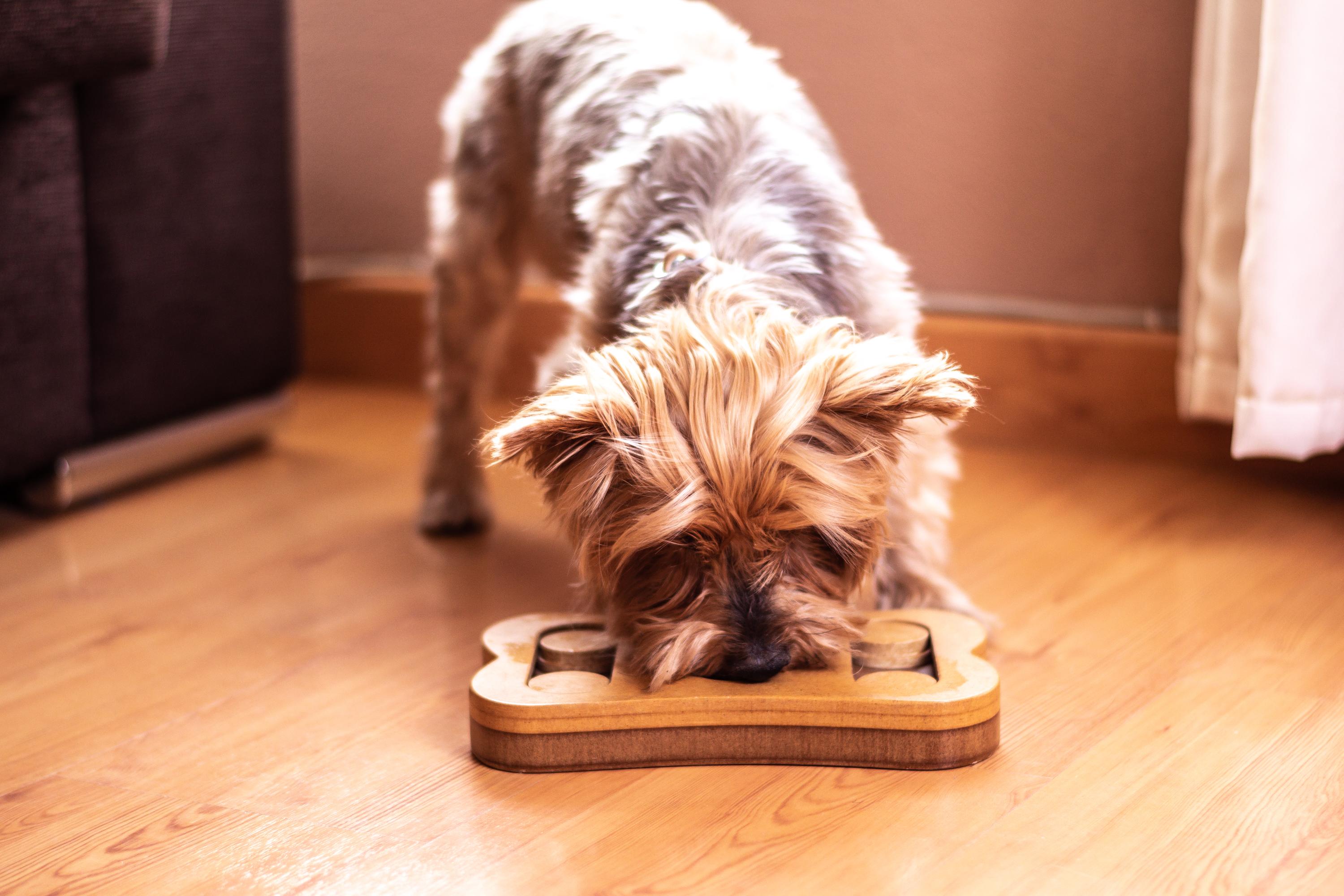
Scent work classes offer a fun and engaging way to enhance your dog's skills. These classes teach dogs to use their noses to find specific scents. It's a fantastic way to stimulate their minds and boost their confidence.
Imagine your dog searching for a hidden scent, tail wagging with excitement. This activity provides mental enrichment and strengthens their ability to focus. Classes are structured to cater to different skill levels, from beginners to advanced.
Scent work is more than just fun; it's a bonding experience. You and your dog work together, building trust and understanding. Many find these classes not only enjoyable but also incredibly rewarding. They provide an outlet for your dog's natural instincts, making training a joy rather than a chore.
In summary, gentle, regular training sessions using positive reinforcement lead to lasting behaviour change. By being consistent and patient, and tailoring training to your dog's needs, you create a happy, well-behaved companion. Whether it's through personalised programmes or exciting scent work classes, Ceri's Canine Companions helps your dog thrive.

Comments