Is Your Dog Bored, Stressed, or Under‑Challenged? Spot the Signs and Help Them Thrive

Your dog might be trying to tell you something with restless pacing, chewing, or sudden shyness—classic dog boredom signs or stressed dog behaviour that often fly under the radar. If your furry friend seems under-stimulated, it’s not just about burning off energy; their mental wellbeing matters just as much. Let’s explore how simple tweaks and kind, force‑free dog training can turn those worries into wagging tails. Learn more here.
Spotting Dog Boredom Signs
Knowing if your dog is bored is crucial in keeping them happy. Let's look at what you should watch for and how to improve their day.
Common Behavioural Indicators
Dogs can't tell us when they're bored, but they sure can show it. Ever noticed your pup chewing on everything, or maybe they're digging more than usual? These are big clues. Dogs often act out when their minds aren't busy enough. Pacing is another sign, almost like they're trying to tell you something's not right. Some dogs even bark or whine more when they're bored. This isn't just noise; it's a call for help. According to a study, 70% of dog owners notice increased barking when their dog is bored.
Addressing Canine Boredom
So, your dog is showing signs of boredom. What can you do about it? First, think about their routine. Is it the same every day? Dogs love a bit of variety. Try mixing things up with new routes for walks or introducing new toys. Playtime is not just fun; it's essential for their mental health. Also, spend some quality time with them. A few minutes of tug-of-war or fetch can make a huge difference. These activities not only make them happier but also help to reduce unwanted behaviours.
Practical Enrichment Ideas
Keeping your dog entertained doesn't have to be complicated. Here are some simple ideas to try out:
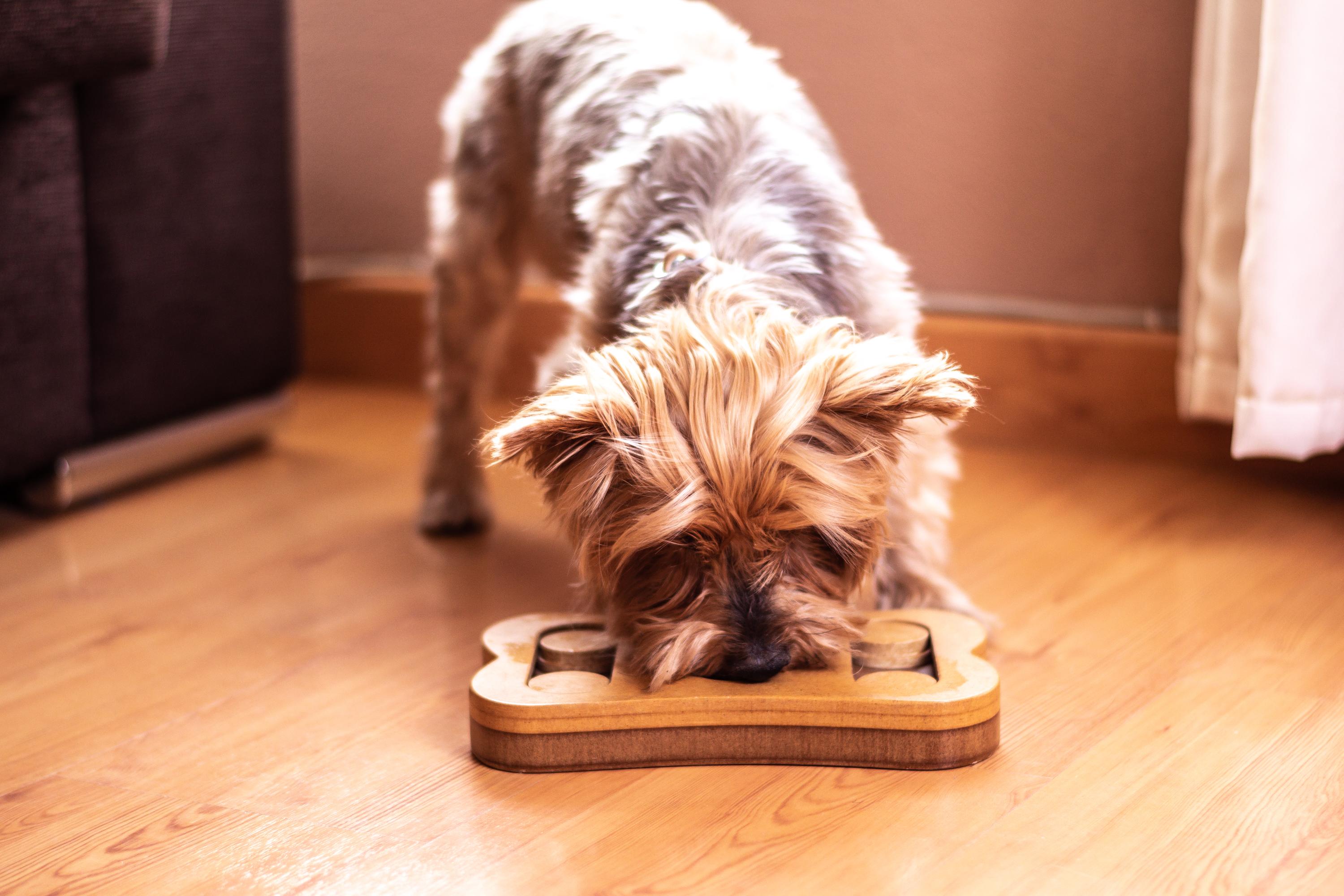
Puzzle Toys: These keep their minds sharp. Hide treats inside and let them figure it out.
Training Sessions: Teach them a new trick. It's a fun way to bond and keeps them engaged.
Scent Games: Hide treats around the house and let them sniff them out.
These activities are like a brain workout for your dog. Not only do they help with boredom, but they're also great for building a stronger bond with your furry friend.
Understanding Stressed Dog Behaviour
Sometimes, dogs aren't just bored; they're stressed. Recognising stress signs is key to helping them feel better.
Typical Stress Signals
Dogs show stress in many ways, and it's not always what you'd expect. Some dogs might become more withdrawn or hide. Others might seem restless, panting more than usual or pacing around the house. Your dog might even start to tremble or drool excessively. These are all signals that something is off. A survey found that over 60% of dogs exhibit panting and trembling when stressed. If you spot these signs, it's time to take action.
Calming Activities for Dogs
If your dog is stressed, calming activities can make a world of difference. Start with a quiet, safe space where they can relax. Gentle petting or brushing can be soothing as well. You might also consider playing some soft music—research has shown that classical music can have a calming effect on dogs. Another great option is to take them for a slow, leisurely walk. The focus here is on keeping things calm and relaxed, helping them to unwind.
Relaxation Protocols for Dogs
Creating a routine can help your dog feel more secure. Set aside time each day for relaxation exercises. Start with simple commands like "sit" or "stay," followed by a reward. Gradually increase the time they hold these positions. This not only helps them relax but also boosts their confidence. Over time, your dog will learn that these sessions are a time to unwind and feel safe.
Tackling Under-Stimulated Dog Issues
When your dog isn't challenged enough, it can lead to frustration. Understanding and addressing under-stimulation is essential.
Recognising Under-Stimulation
Under-stimulation is different from boredom or stress, but it often looks similar. A dog that lacks mental challenges might seem lazy or uninterested. They might also engage in repetitive behaviours, like chasing their tail or licking themselves excessively. It's like they're trying to find something to do but can't figure out what. Dogs need mental stimulation just as much as physical activity.
Positive Reinforcement Training Tips
Using positive reinforcement is a powerful way to engage your dog. Start by rewarding good behaviour with treats or praise. Keep training sessions short and sweet, around 5 to 10 minutes. This keeps your dog focused and eager to learn. Remember, consistency is key. The more you practice, the more your dog will respond and enjoy these sessions.
Scent Work Classes in Swansea 🐶
If you're looking to really engage your dog's mind, scent work is a fantastic option. In Swansea, you can join classes designed to enhance your dog's natural abilities. These sessions help build confidence and provide a fun, engaging challenge. Scent work taps into their instincts, offering mental and physical stimulation. Plus, it's a great way to bond with your dog and see them thrive.
By recognising these signs and taking action, you can help your dog lead a happier, healthier life. Whether it's through enrichment, calming activities, or scent work, your efforts make all the difference.


Comments