How to Create a Calm, Supportive Training Space at Home

Most training spaces at home feel stressful, even when you’re trying your best. That tension can make positive reinforcement dog training tougher than it needs to be. Creating a calm training environment at home doesn’t happen by chance—it takes simple tweaks that help your dog feel safe and focused. Stick around to find easy, reward-based training tips that make sessions smoother and more enjoyable for both of you. For more insights, check out this resource.
Setting Up a Calm Training Space
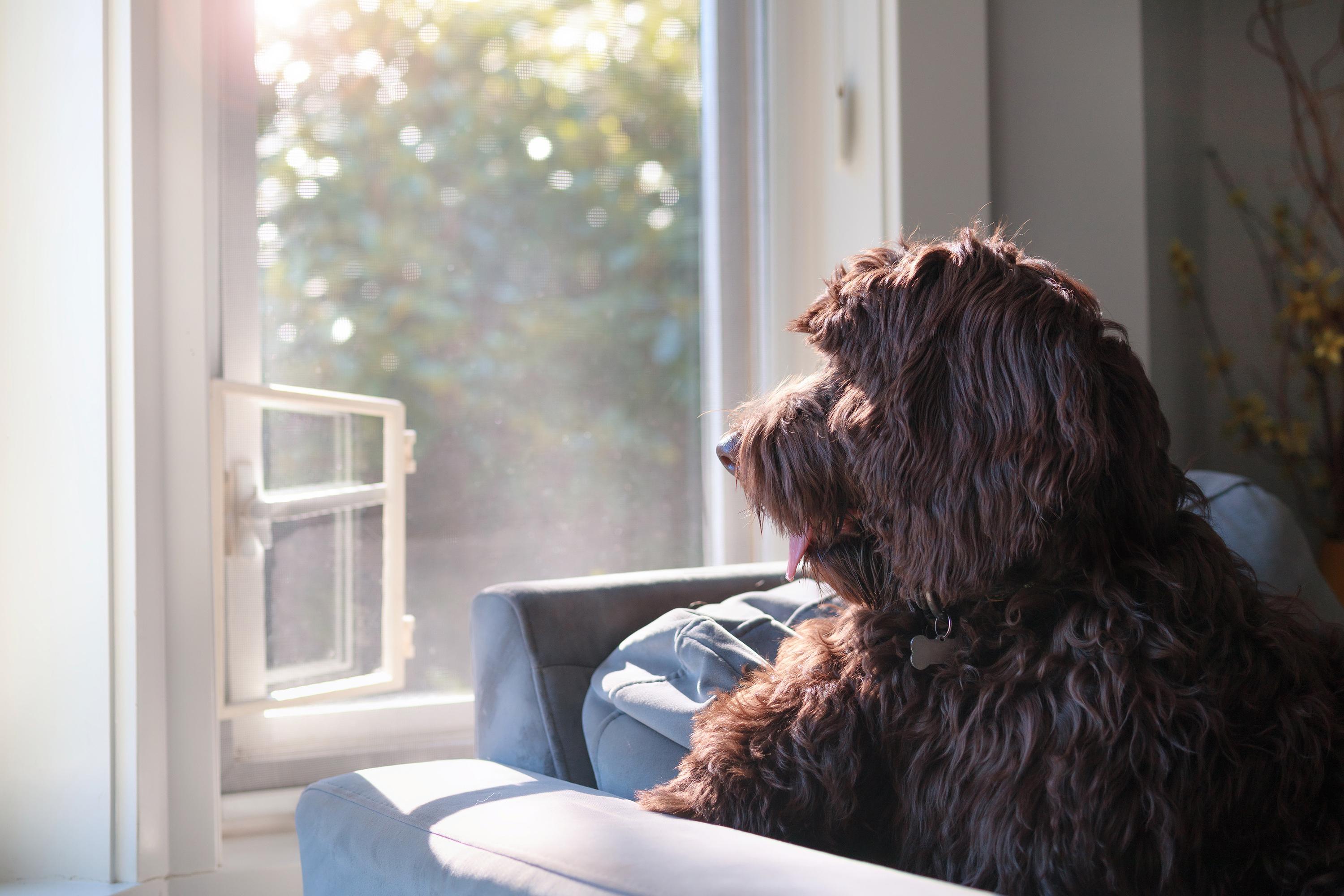
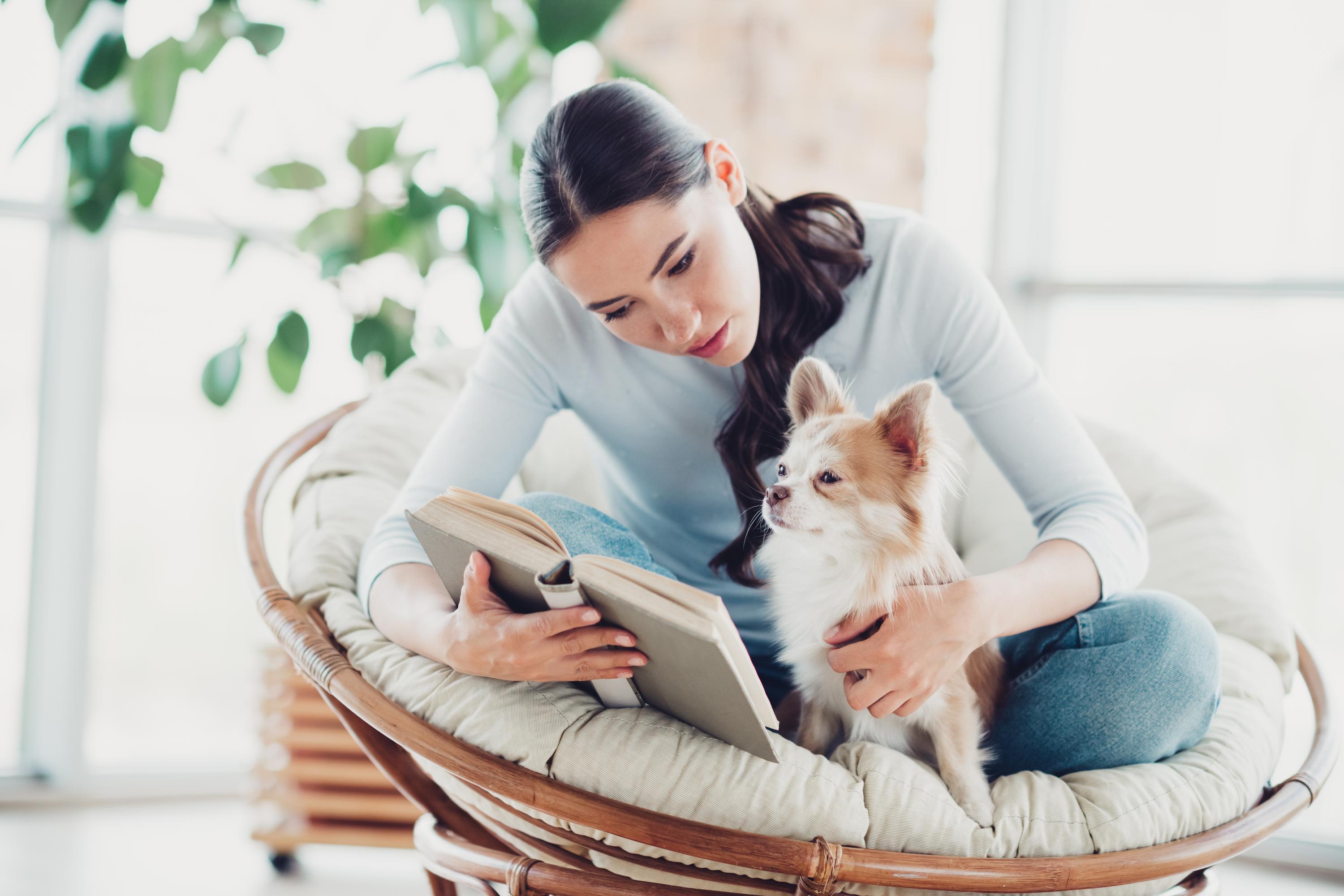
Creating a calm training space is key to successful dog training. A peaceful environment helps your furry friend focus better, making your sessions more effective and enjoyable.
Choosing the Right Location
Finding the perfect spot in your home for training is crucial. It should be a place with minimal distractions. A quiet corner of the living room or a space in the garden might work. Pay attention to your dog's preferences too. If they seem more relaxed in a particular area, that might be your best bet. Remember, the goal is to create a setting where your dog feels safe and can concentrate. If you're still undecided, you might find some helpful advice in this article.
Essential Training Tools
Having the right tools can make training sessions more effective. Start with treats your dog loves. These act as a positive reward for good behaviour. A clicker can also be helpful: it makes a consistent sound that your dog will quickly associate with a treat. Additionally, consider investing in a settle mat. This tool can teach your dog where to go during training. Always keep your tools handy, so you can smoothly transition between different exercises.
Creating a Peaceful Atmosphere 🕯️
A serene vibe can work wonders in reducing your dog’s stress. Soft lighting and calming music can help. Some dogs respond well to scents, so try using a lavender diffuser. Make sure the space is clutter-free; too many items can distract your dog. Most people think you need a large area for training, but even a small, well-organised space can be perfect. If you're looking to create a calming home environment, this resource offers some helpful tips.
Techniques for Stress-Free Training
Once your space is ready, the focus shifts to how you conduct your training sessions. The right techniques can make a world of difference in maintaining a stress-free experience for you and your dog.
Short Training Sessions at Home
Short sessions are often more effective than longer ones. Aim for 5-10 minutes per session to keep your dog engaged. This helps prevent boredom and fatigue. During these sessions, focus on one skill at a time. Consistency is vital, so try to practice at the same time each day. A pattern break: practice doesn’t always need to be indoors. Use your garden or a nearby park for a change of scenery.
Reward-Based Training Tips
Positive reinforcement is the cornerstone of force-free dog training in Swansea. Use treats or verbal praise to reward desired behaviours. Make sure to give the reward immediately, so your dog makes the connection. For example, if you’re teaching “sit,” offer a treat the moment their bottom hits the ground. This method not only reinforces good behaviour but also builds trust between you and your pet.
Understanding Canine Body Language Signs 🐶
Recognising your dog's body language is crucial for stress-free training. Look for signs of stress, like yawning or lip-licking. These might indicate that your dog needs a break. On the flip side, a wagging tail and pricked ears show eagerness to learn. By reading these signs, you can tailor your sessions to your dog's comfort level. This understanding is a big part of offering ethical dog training in Wales.
Enrichment and Relaxation Ideas
Beyond training, enrichment and relaxation play a significant role in your dog's well-being. These activities can enhance their learning and provide much-needed mental stimulation.
Snuffle Mat and Lickimat Fun
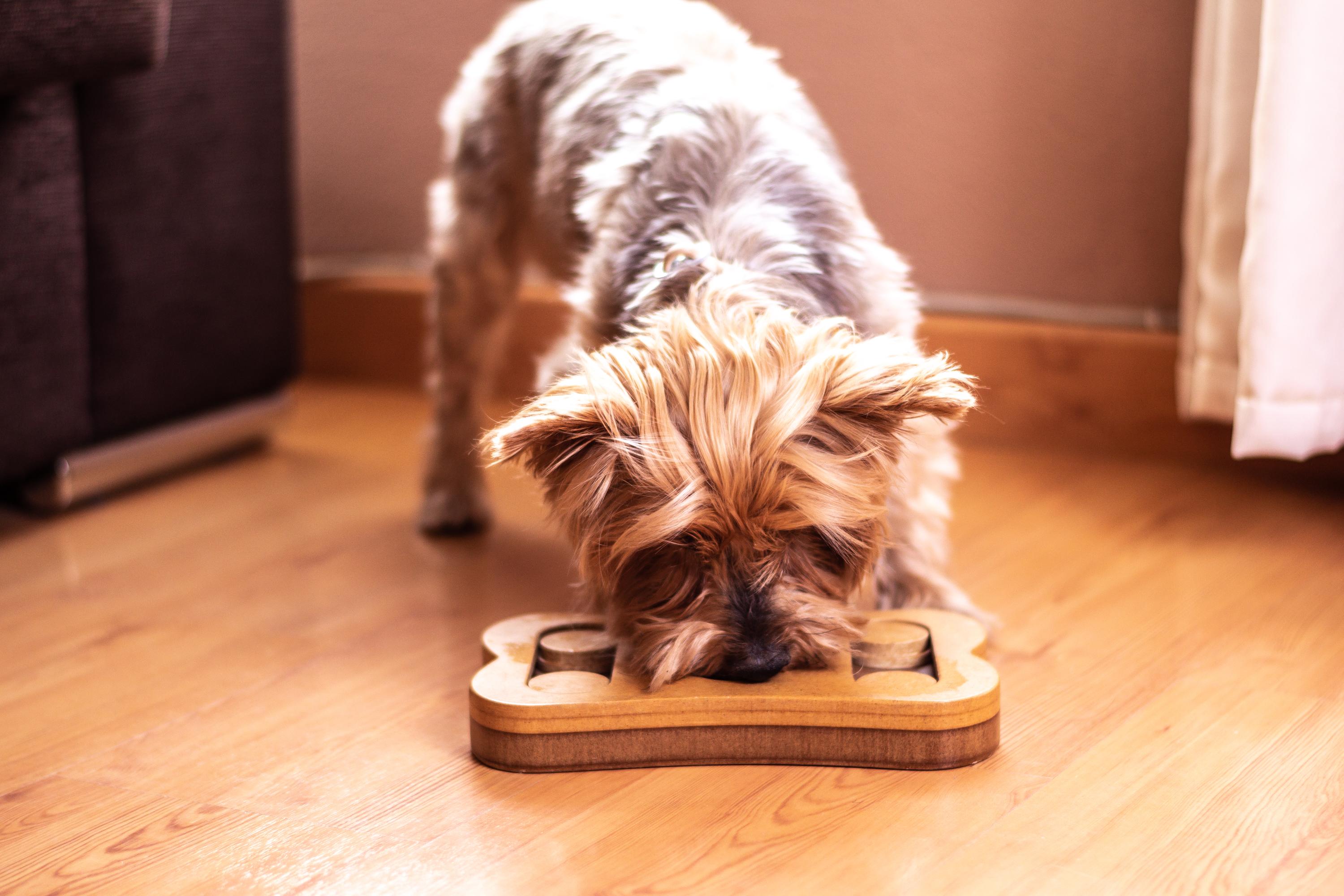
Snuffle mats and lickimats are fantastic tools for canine enrichment. They stimulate your dog’s natural foraging instincts. Hide treats in a snuffle mat and watch your dog enjoy the search. Lickimats, meanwhile, can be spread with peanut butter or yoghurt. These not only keep your dog entertained but also promote calmness. They’re a simple addition to your canine enrichment ideas toolkit.
Predictable Routines for Dogs
Dogs thrive on routine. A predictable schedule helps them feel secure. Try to feed, walk, and train your dog at the same times each day. This reduces anxiety and makes your dog more receptive to training. By sticking to a routine, you’ll find your dog is more relaxed and attentive during sessions. This approach is a core element of positive reinforcement dog training.
Decompression Walks Swansea 🌳
Decompression walks are a great way to let your dog unwind. These aren’t your typical walks; they allow your dog to explore at their own pace. Choose quiet areas in Swansea, like a local park or a secluded path. Allow your dog to sniff and take in their surroundings without rushing. This type of walk reduces stress and can be a bonding experience for both of you. If you're considering dog walking in Morriston, this approach fits perfectly into a well-rounded care routine.
In summary, setting up a calm training environment at home doesn't have to be complex. With these tips, you can make training a positive, rewarding experience for both you and your dog. Enjoy the journey of learning and growing together!
Comments