Gentle, science‑based training for sensitive souls: choosing the right approach

Sensitive dogs don’t thrive with one-size-fits-all training. If your easily overwhelmed dog shuts down or shows anxiety, pushing too hard only makes things worse. Choosing kind, science-backed sensitive dog training can change everything—and help your dog feel calm and safe. Let’s explore how to spot what your dog truly needs and find the right approach together.
Understanding Your Sensitive Pup
Understanding your dog's unique needs is key to helping them thrive. Let's start by recognising signs that your dog might be sensitive.
Recognising A Sensitive Dog
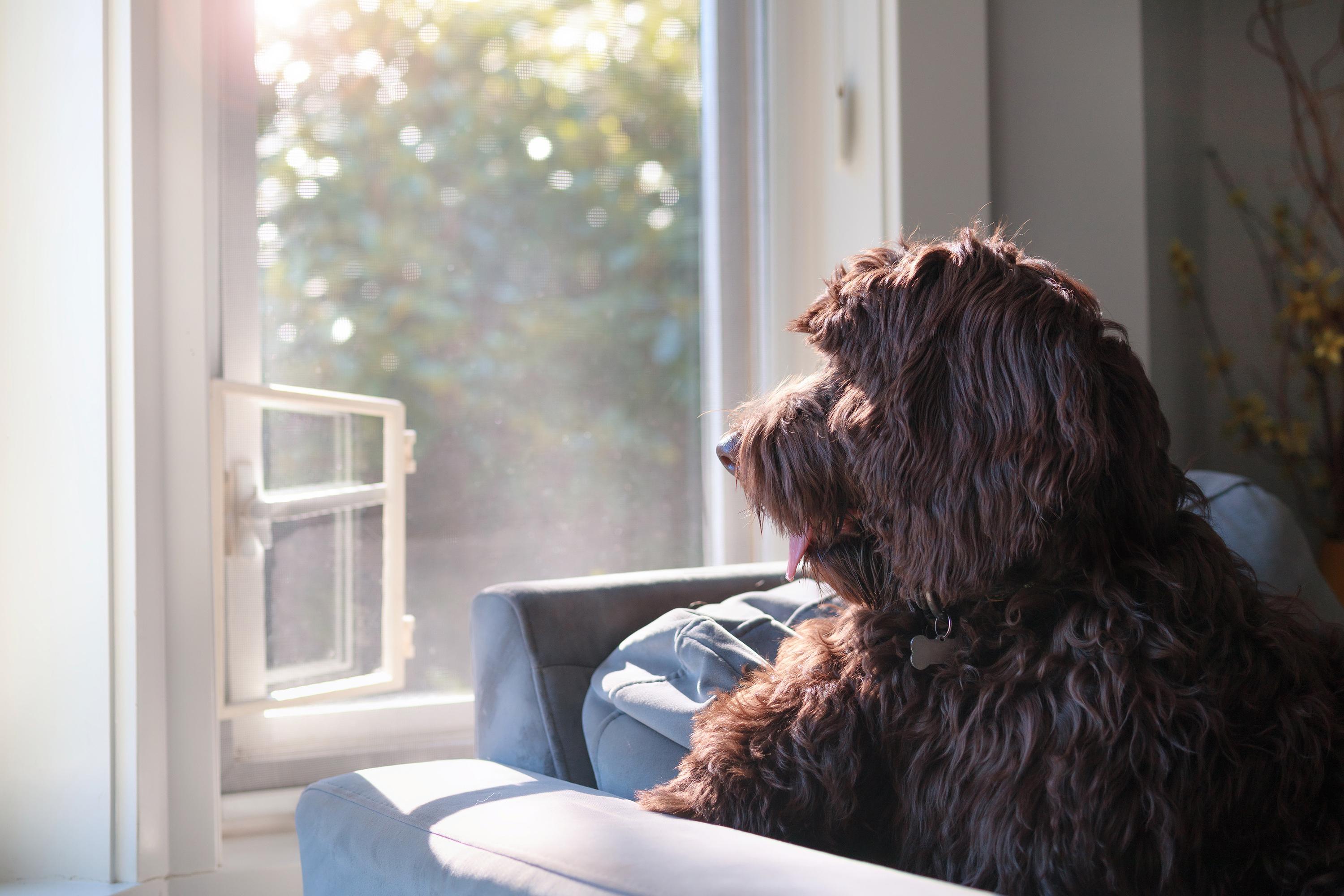
Sensitive dogs often show specific behaviours. They might shy away from new people, cower at loud sounds, or seem nervous in unfamiliar places. If your dog often hides or avoids eye contact, these could be signs of sensitivity. Remember, each dog is different, so it's important to observe your dog's reactions in various situations.
For example, if your dog barks excessively when guests arrive, it might not be just excitement. It could be anxiety. Try to notice these small details and patterns. Writing down your observations can help you pinpoint triggers and adapt your approach to support them.
Why Some Dogs Are Easily Overwhelmed
Many factors contribute to a dog feeling overwhelmed. Past experiences, breed traits, and even the environment can play a role. For instance, a rescue dog might have had a tough past, which makes them more sensitive.
Puppies are also prone to overwhelm due to their limited exposure to the world. Imagine being in a bustling city for the first time—it's a lot to take in! Dogs feel the same way. They need time and patience to adapt. By giving them space and reassurance, you're building their confidence.
The Importance of Positive Reinforcement
Positive reinforcement is a game-changer for sensitive dogs. It involves rewarding good behaviour, making it more likely to be repeated. This method is gentle and effective, fostering trust and security.
Instead of focusing on what your dog does wrong, celebrate their successes, no matter how small. Did they sit quietly while you put on their lead? That's a win! Rewards can be treats, praise, or playtime—whatever your dog loves most.
Choosing The Right Training Approach
Now that we've identified the needs of sensitive dogs, let's explore training approaches that suit them best.
Benefits of Force-Free Dog Training
Force-free training is all about kindness. It's centred on building a strong bond without using harsh methods. This approach respects your dog's feelings and helps them learn at their own pace.
By focusing on encouragement rather than correction, your dog feels secure and eager to learn. This method not only teaches obedience but also enhances your dog's overall well-being. Dogs trained with force-free methods tend to be more relaxed and happy.
The Magic of Scent Work for Confidence
Scent work can be a confidence booster for sensitive dogs. It taps into their natural instincts and gives them a task they excel at. Imagine your dog sniffing out hidden treats—it's like a treasure hunt that's both fun and rewarding!
Scent work is particularly beneficial because it provides mental stimulation without being overwhelming. As your dog successfully completes searches, their confidence grows. It's a fantastic way to channel their energy into something positive.
Tailored One-to-One Dog Training
Sometimes, group settings can be too much for sensitive dogs. That's where one-to-one training comes in. It's personalised, allowing your dog to learn in a stress-free environment.
You get to address specific issues with the help of a skilled trainer who understands your dog's unique needs. This approach ensures steady progress and builds a strong foundation of trust. It's perfect for focusing on areas like recall or lead walking.
Building A Calm and Confident Companion
With the right training, your sensitive dog can become more confident and relaxed. Let's dive into methods that help achieve this.
Consent-Based Handling Techniques
Consent-based handling is about respecting your dog's boundaries. It involves giving them a choice in interactions. For example, allow your dog to approach on their terms during grooming sessions.
This approach builds trust and reduces stress. By watching your dog's body language, you can ensure they're comfortable. If they pull away or seem tense, give them space. Your dog will appreciate the respect and become more cooperative over time.
Enrichment Ideas for Anxious Dogs
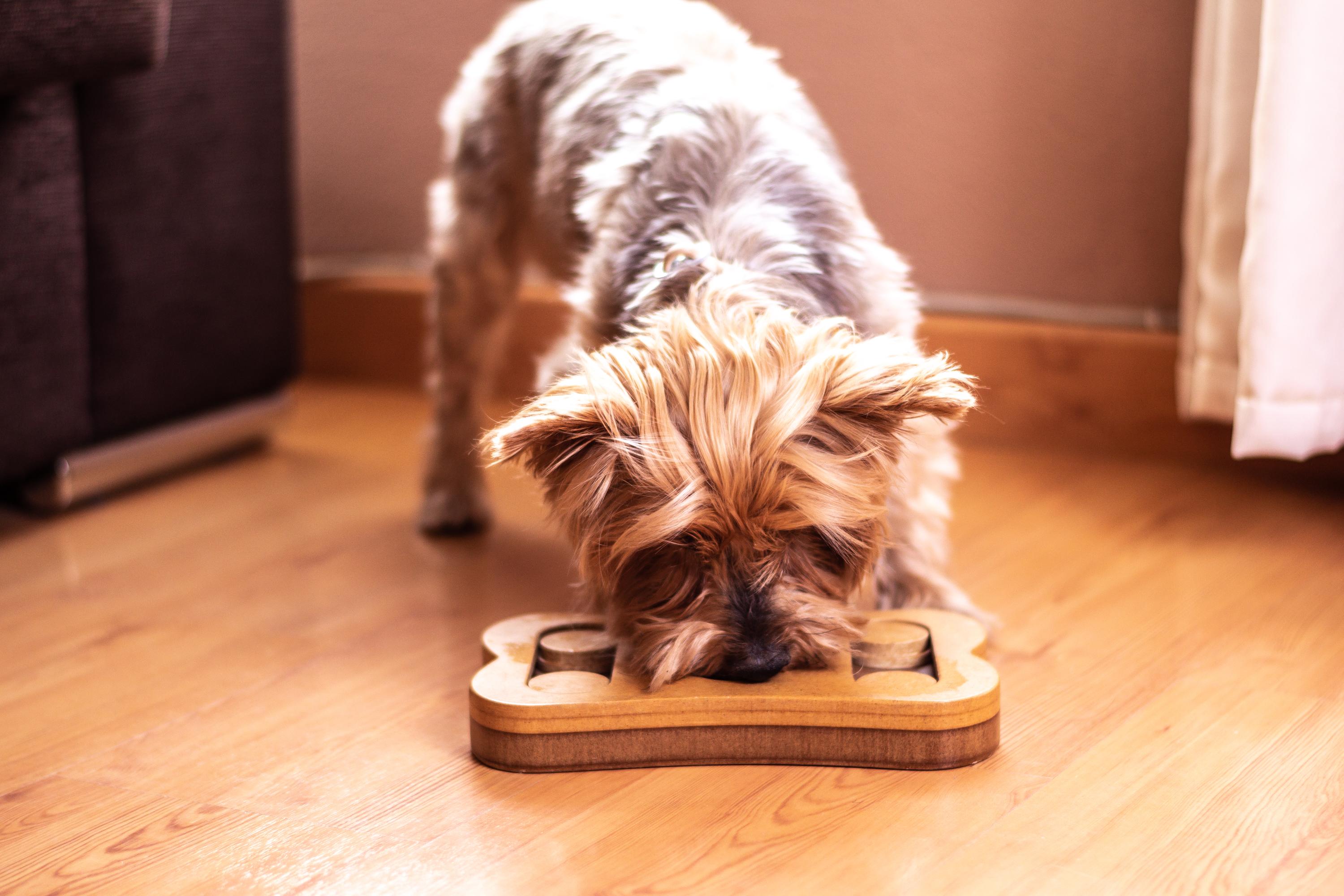
Keeping an anxious dog engaged is crucial. Enrichment activities like puzzle toys or treat-dispensing games can work wonders. These activities stimulate their minds and offer a break from anxiety.
Consider setting up a digging box or introducing new scents for them to explore. These simple ideas can transform their day and provide much-needed mental exercise.
The Role of Decompression Walks
Decompression walks are unstructured walks in nature. They allow your dog to explore at their own pace, sniffing and wandering freely. These walks are invaluable for stress relief and mental health.
By giving your dog the freedom to roam, you're helping them unwind and reset. It’s a great way to strengthen your bond and offer them a break from daily stresses. Regular decompression walks can make a big difference in your dog's life.
🐾
Remember, your sensitive dog needs understanding and patience. By choosing gentle, science-backed methods, you're setting them on the path to a happier, more confident life. Keep observing, learning, and adapting, and you'll see amazing progress.
Comments